Planning a Confident HVAC Path: A Homeowner’s Playbook for Smart Choices
Beginning an HVAC project starts with defining your comfort goals and mapping constraints. Assess your home’s envelope, occupancy patterns, and preferred temperature ranges. Document square footage, room usage, and any hot or cold spots. In practice, this baseline clarifies whether you need Cooling Services, Heating Services, or a blend. Establish a simple timeline and note seasonal priorities so you can stage work when access is easiest and downtime is limited.
Next, explore system types that align with your property and lifestyle. Evaluate central systems, heat pumps, and Mini-Split Services for zones with different loads. Verify electrical capacity and potential placement for outdoor units. Then weigh noise sensitivity, airflow pathways, and filter accessibility. Beyond that, consider comfort add-ons like dehumidification or smart controls. A shortlist allows you to compare lifecycle costs while keeping installation complexity in view.
Budgeting effectively means looking beyond sticker prices. Examine efficiency ratings, warranty terms, and expected service intervals. Meanwhile, factor in duct integrity, refrigerant line routing, and any permitting needs. Scope contingencies for unforeseen conditions, such as hidden duct damage or limited attic clearance. Build a buffer for accessories like upgraded filtration or surge protection. Transparent numbers help you validate trade-offs between upfront spend and long-term operating costs.
Contractor selection benefits from clear criteria and verifiable credentials. Inspect license status, insurance coverage, and technician certifications. In practice, ask about background checks and safety training to safeguard your household. Request multiple proposals that outline equipment model families, labor details, and exclusions. Compare apples to apples by confirming scope for HVAC Installation, controls integration, and disposal of old equipment. A methodical review increases confidence before work begins.
Project planning succeeds when everyone understands the workflow. Sequence tasks from load calculation to duct assessment, equipment setting, electrical tie-ins, and startup. Align expectations for site protection, daily cleanup, and communication touchpoints. Validate access needs for attics, crawlspaces, or mechanical closets. If Plumbing Services intersect with condensate routing or gas lines, clarify who owns each step. Clear staging reduces delays and prevents rework.
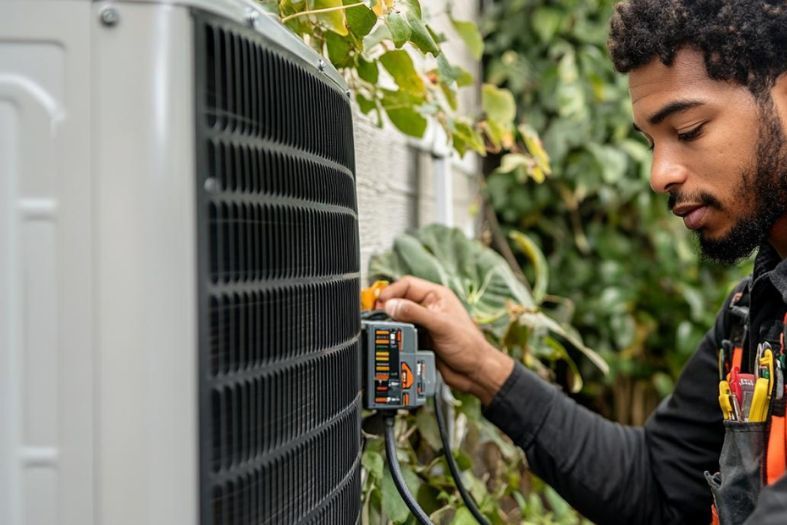
Quality hinges on measurement and documentation. Require a room-by-room load calculation, duct static pressure readings, and verified airflow targets. Calibrate thermostats and confirm sensor placement away from drafts or sunlight. Then ensure filter sizes and MERV ratings match system capabilities. Photograph critical connections and label disconnects. A well-documented handoff makes future HVAC Repair more precise and protects your investment over the equipment lifespan.
Indoor air considerations deserve equal attention. Analyze filtration needs if occupants have allergies or pets. Air Quality Services can refine strategies using upgraded filters, UV or bipolar devices, and humidity control. However, match enhancements to system capacity to avoid pressure penalties. Inspect return paths and door undercuts to maintain balanced airflow. Finally, plan filter changes and coil cleaning as part of a routine to keep air clean and systems efficient.
Seasonal timing can improve logistics and outcomes. Schedule major work during milder weather to buffer comfort disruptions. Phase replacements so critical spaces remain usable. If HVAC Replacement is imminent, coordinate duct sealing or insulation upgrades concurrently to avoid repeated access. Validate lead times for specialty parts, and maintain a small space heater or portable cooler as a temporary bridge. Timing choices often smooth the entire process.
After startup, commissioning should verify performance under real conditions. Measure supply and return temperatures, confirm refrigerant charge, and validate defrost or staging controls. Document thermostat programming and app settings so multiple users understand them. Maintain a service log for filter dates, belt checks, and drain treatments. Refine setpoints over the first weeks as seasons shift, and schedule the first tune-up early to catch settling issues promptly.
Long-term success depends on predictable maintenance. Establish a calendar for inspections, cleaning, and minor adjustments. Inspect outdoor clearances and trim vegetation to preserve airflow. Meanwhile, listen for new noises, track utility bills, and address drift quickly. When repairs stack up or efficiency dips, compare targeted fixes with a full-system upgrade. Strategic planning today makes tomorrow’s choices easier, safer, and more cost-effective for any property owner in North Georgia.